1999
176 tiny pictures
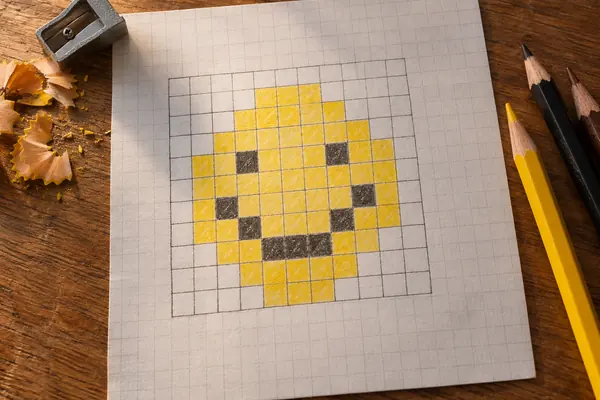
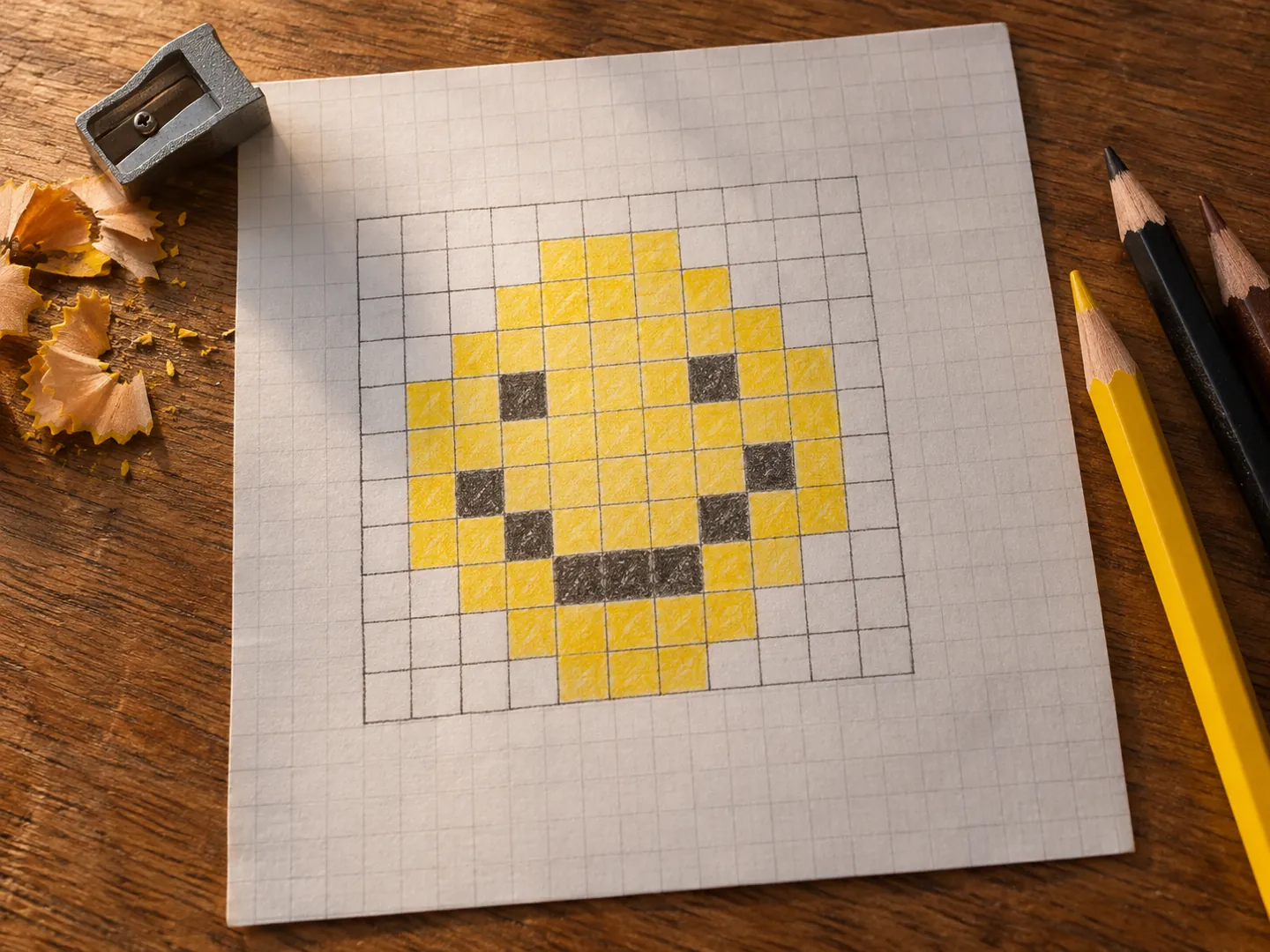
Shigetaka Kurita, a designer at NTT DOCOMO, made a set of 176 emoji on a 12 by 12 pixel grid for phones and pagers. The set is now in the collection of MoMA in New York.
See the numbers doodleemoji
Start
WHERE EMOJI COME FROM
Every emoji is a character, just like the letter A.
They began as 176 small icons on Japanese phones in 1999, joined the Unicode standard in 2009 and 2010, and now number 3,960. New ones still arrive each year, after a selective review.
12 × 12pixels, in 1999
Test an ideaKeep in mind
THE SHORT ANSWER
The word is Japanese: e means picture and moji means character.
It has nothing to do with emotion.
1999
Shigetaka Kurita, a designer at NTT DOCOMO, made a set of 176 emoji on a 12 by 12 pixel grid for phones and pagers. The set is now in the collection of MoMA in New York.
See the numbersUNICODE
Unicode combined the emoji of Japanese mobile carriers into a set of 722 characters. Most were added in Unicode 6.0 in 2010, so a message could travel between systems.
Why they look differentNEW EMOJI
Anyone can propose an emoji, with evidence and original images. Unicode says only a very small percentage of submissions advance.
Test an ideaA QUICK IDEA CHECK
Pick a kind of emoji idea to see how Unicode's published rules treat it. The bar shows how the rules lean, from automatic decline to a factor in its favour.
Based on Unicode's guidance on submitting emoji proposals. Passing these rules does not mean an idea will be accepted.
TWO NUMBERS WORTH KNOWING
One figure from where emoji started,
one from the Unicode standard today.
176 emoji
Emoji in the first DOCOMO set
MoMA's record of Shigetaka Kurita's original set describes 176 emoji for mobile phones and pagers, each drawn on a 12 by 12 pixel grid.
1999 · MoMA
3,960 emoji
Emoji in the current version
Unicode's emoji count for Emoji 18.0 is 3,960, or 3,972 if you include the 12 component characters such as skin tones.
EMOJI 18.0 · UNICODE
Many of today's emoji are sequences: a skin tone modifier added to a hand, or several emoji joined by an invisible zero-width joiner and shown as one picture.
HOW A PROPOSAL WORKS
Unicode accepts proposals from anyone during a yearly window. The most recent ran from 2 April to 31 July 2026, and submissions re-open in 2027.
Step 1
Look whether it is already approved or already requested. Ideas declined in the last four years cannot be reviewed again.
Step 2
Unicode asks for Google Search, Video, Trends and Books Ngram screenshots, with "elephant" as the comparison term. Petitions do not count.
Step 3
Sample images at 18 by 18 and 72 by 72 pixels, in colour and black and white, that you have the rights to license.
Step 4
Submit a public PDF through the Unicode emoji submission form. Email and paper copies are not accepted.
SAME CODE, DIFFERENT FACES
Unicode decides which emoji exist and gives each one a code, but it does not draw them. Each platform designs its own images, so the same emoji can look different from phone to phone.
Platforms also decide when to add new emoji in their own software updates, because they need new fonts, keyboards and libraries. Unicode has no control over that timing.
Questions
No. Unicode explains that the word comes from Japanese: e means picture and moji means character.
Shigetaka Kurita, a designer at NTT DOCOMO, made a set of 176 emoji released in 1999. MoMA holds the set in its collection, a gift of NTT DOCOMO.
The first characters meant as emoji were added in Unicode 5.2 in 2009. A wider set of 722 carrier emoji followed, with 608 of them added in Unicode 6.0 in 2010.
Five skin tone modifiers were added in Unicode 8.0 in 2015. They are based on the Fitzpatrick scale used in dermatology.
In Unicode's 2019 frequency data, the face with tears of joy was the most used emoji, with the red heart in the same top group.
Destination
ABOUT THIS NAME
doodleemoji.com is part of the DoodleSale portfolio. It isn't in an auction right now, but you can ask about leasing it.